
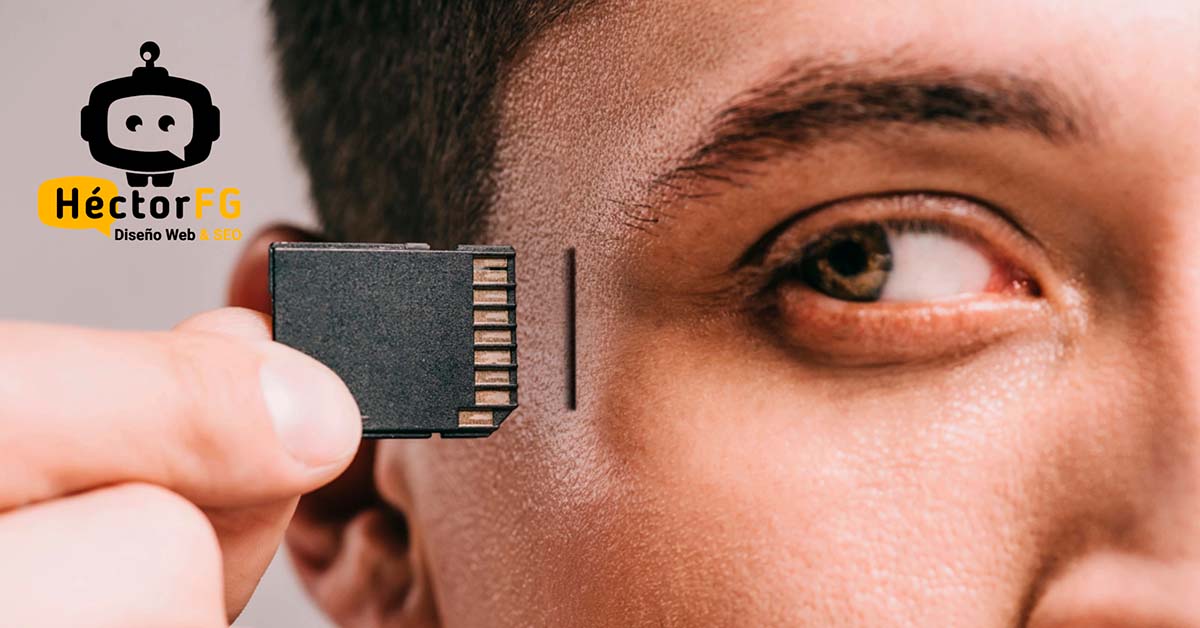
Discussion Topic: Neuralink Implant 10 Questions
In a landmark moment for medicine and technology, two Canadian patients with quadriplegia have become the first in the country to receive Elon Musk’s groundbreaking Neuralink brain-computer interface (BCI).
This pioneering clinical trial, conducted in a simulated partnership with a leading Canadian neurological institute, represents a monumental step towards a future once confined to science fiction: the direct connection of the human brain to a computer to restore lost function. This initiative not only offers a glimmer of hope for individuals living with severe paralysis but also positions Canada at the epicentre of a technological revolution poised to redefine human potential.
Read the full Article ⇒ Neuralink Implant
Tema de Discusión: Implante Neuralink (10 Preguntas)
En un momento trascendental para la medicina y la tecnología, dos pacientes canadienses con cuadriplejia se han convertido en los primeros en el país en recibir la innovadora interfaz cerebro-computadora (ICC) Neuralink de Elon Musk.
Este ensayo clínico pionero, llevado a cabo en una asociación simulada con un destacado instituto neurológico canadiense, representa un paso monumental hacia un futuro que alguna vez estuvo confinado a la ciencia ficción: la conexión directa del cerebro humano a una computadora para restaurar funciones perdidas. Esta iniciativa no solo ofrece un atisbo de esperanza a las personas que viven con parálisis grave, sino que también sitúa a Canadá en el epicentro de una revolución tecnológica preparada para redefinir el potencial humano.
Lee el Artículo Completo ⇒ Neuralink Implant
Ethics & Societal Impact
The Neuro-Divide: The article raises the possibility of a “neuro-divide.” Beyond just cost, what fundamental ethical responsibilities do the companies developing BCIs (like Neuralink) and the governments regulating them have to prevent this technology from creating a new form of societal inequality?
Cognitive Enhancement: Neuralink has the potential for both restoring function (therapy) and enhancing function. Do you believe the use of this technology for cognitive enhancement in healthy individuals should be regulated, banned, or freely permitted? Why?
Data Security & Identity: The data streamed from the N1 Implant is described as a “stream of consciousness.” If this data were compromised, how might it affect a person’s identity or autonomy in ways that are different from a standard data breach (like a stolen credit card)?
Long-Term Effects & Reversibility: Given that brain surgery carries inherent risks, how important is the guarantee of safe and complete reversibility (the ability to remove the implant without long-term damage) before the technology is made widely available?
Human Rights: Should individuals with certain medical conditions have a “right to be enhanced” by technology like Neuralink, and if so, who should be responsible for funding and providing that right?
Ética e Impacto Social
La Neuro-Brecha: El artículo plantea la posibilidad de una “neuro-brecha” (neuro-divide). Más allá del costo, ¿qué responsabilidades éticas fundamentales tienen las empresas (como Neuralink) y los gobiernos para evitar que esta tecnología cree una nueva forma de desigualdad social?
Mejora Cognitiva: Neuralink tiene potencial tanto para restaurar la función (terapia) como para mejorarla (mejora o enhancement). ¿Cree usted que el uso de esta tecnología para la mejora cognitiva en individuos sanos debería ser regulado, prohibido o permitido libremente? ¿Por qué?
Seguridad de Datos e Identidad: Los datos transmitidos desde el Implante N1 se describen como un “flujo de conciencia.” Si estos datos se vieran comprometidos, ¿cómo podría afectar la identidad o autonomía de una persona de manera diferente a una violación de datos estándar (como el robo de una tarjeta de crédito)?
Efectos a Largo Plazo y Reversibilidad: Dado que la cirugía cerebral conlleva riesgos inherentes, ¿qué tan importante es la garantía de una reversibilidad segura y completa (la capacidad de retirar el implante sin causar daño a largo plazo) antes de que la tecnología esté ampliamente disponible?
Derechos Humanos: ¿Deberían las personas con ciertas condiciones médicas tener un “derecho a ser mejoradas” o tratadas con tecnología como Neuralink? Y si es así, ¿quién debería ser responsable de financiar y proporcionar ese derecho?
Personal Opinion & Future Speculation
Trust in AI: The procedure requires a sophisticated surgical robot, the R1 Robot. How comfortable would you personally be with an AI-driven robot performing a delicate operation on your brain? What level of human oversight would you require?
The Human Experience: If Neuralink or similar devices can eventually allow us to communicate telepathically or control advanced technology with a thought, do you believe this would fundamentally improve the quality of the human experience, or would it remove necessary friction and challenge from life?
Musk’s Vision: Elon Musk believes BCIs are essential for humanity’s long-term future to keep pace with Artificial Intelligence. Do you agree that connecting our brains to AI is a necessary step for human survival or progress?
Your Use Case: If a safe, affordable, and non-surgical BCI were available today, what is the single most compelling non-medical application you would use it for (e.g., learning a skill instantly, composing music, extreme multitasking)?
Timeline: The article notes that widespread availability is years away. How long do you predict it will be before BCIs (or a version of them) move from a clinical trial setting to a common, mass-market consumer product?
Opinión Personal y Especulación Futura
Confianza en la IA: El procedimiento requiere un sofisticado robot quirúrgico, el Robot R1. ¿Qué tan cómodo se sentiría usted personalmente con un robot impulsado por IA realizando una operación delicada en su cerebro? ¿Qué nivel de supervisión humana exigiría?
La Experiencia Humana: Si Neuralink u otros dispositivos pudieran permitirnos comunicarnos telepáticamente o controlar tecnología avanzada con un pensamiento, ¿cree que esto mejoraría fundamentalmente la calidad de la experiencia humana, o eliminaría desafíos y dificultades necesarias de la vida?
La Visión de Musk: Elon Musk cree que las BCIs son esenciales para que la humanidad pueda seguir el ritmo de la Inteligencia Artificial. ¿Está de acuerdo en que conectar nuestros cerebros a la IA es un paso necesario para la supervivencia o el progreso humano?
Su Caso de Uso: Si una BCI segura, asequible y no quirúrgica estuviera disponible hoy, ¿cuál es la aplicación no médica más convincente para la que la usaría (por ejemplo, aprender una habilidad al instante, componer música, realizar múltiples tareas extremas)?
Línea de Tiempo: El artículo señala que la disponibilidad generalizada está a años de distancia. ¿Cuánto tiempo predice usted que pasará antes de que las BCIs (o una versión de ellas) pasen de un entorno de ensayo clínico a ser un producto de consumo común y masivo?